
Research Publications AI in Education
Check out our research publications on AI in Education.
- Implementation, Product Effectiveness
Implementation Considerations for Automated AI Grading of Student Work
This study examined how 21 K-12 teachers implemented AI-powered grading tools in their classrooms, finding that while teachers valued AI-generated narrative feedback for formative assessment, they emphasized the need for human oversight to maintain pedagogical coherence and student trust in automated grading.
- Trend Analysis
Emerging Patterns of GenAI Use in K–12 Science and Mathematics Education
This report presents findings from a nationally representative survey of US public school math and science teachers examining their generative AI adoption, classroom use, perceptions of student learning impacts, and institutional support needs as educators navigate rapidly evolving AI integration pressures.
- AI/ML Models, Product Effectiveness
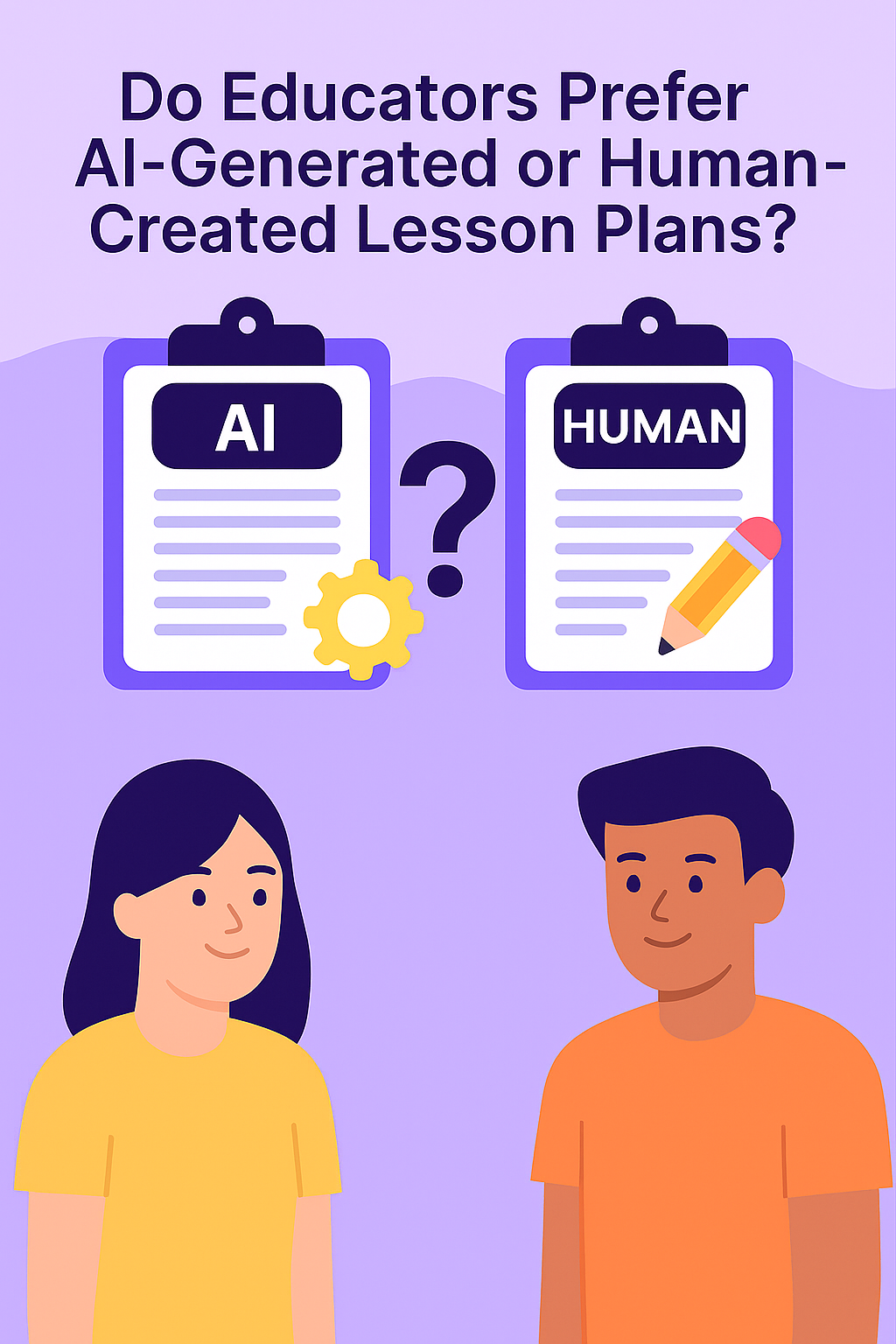
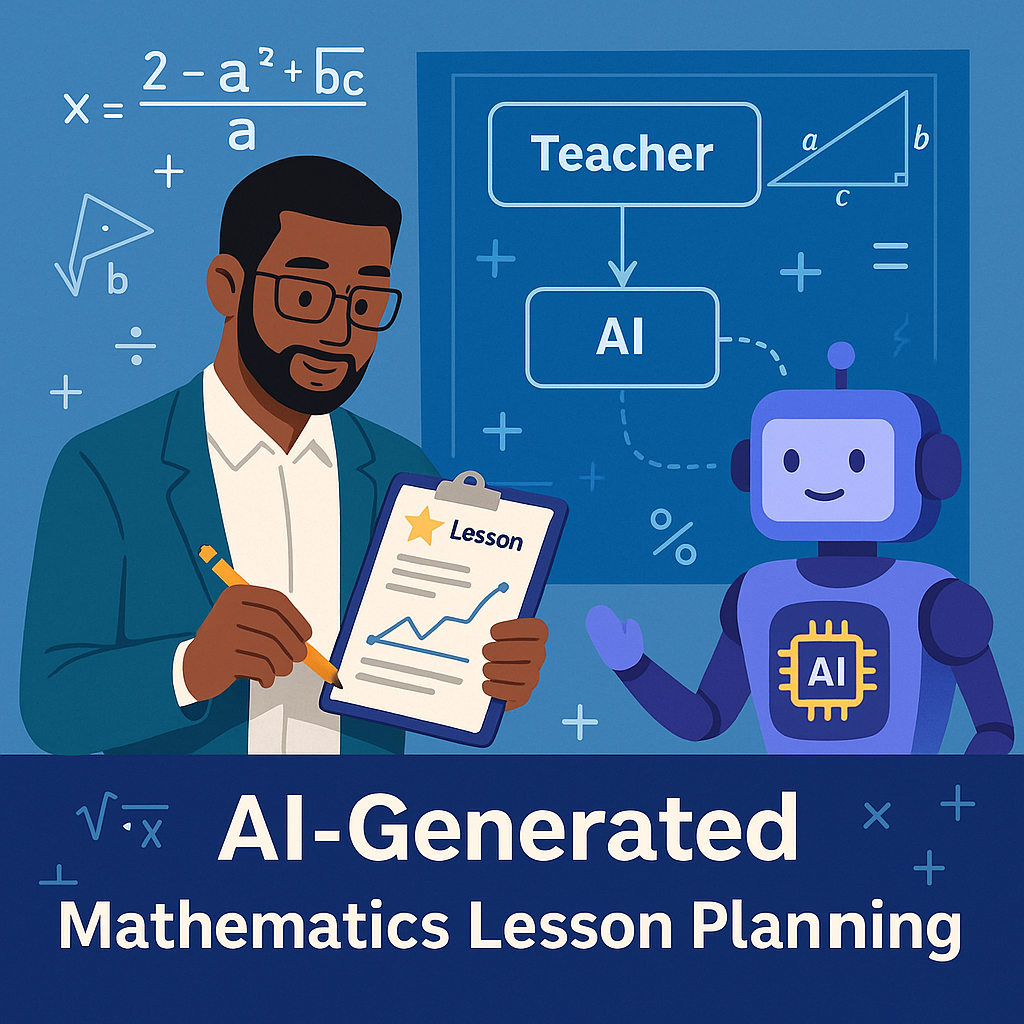
Connecting Feedback to Choice: Understanding Educator Preferences in GenAI vs. Human-Created Lesson Plans in K-12 Education
This study investigates K–12 educators’ preferences for lesson plans created by humans versus AI models. Surveying math teachers across grade levels, the research compares components like warm-ups, main tasks, and cool-downs. While human-authored plans are generally favored—especially in elementary grades—AI-generated lessons perform well in structured tasks like cool-downs, particularly in high school. Teachers value the adaptability of AI but rely on human expertise for differentiation and student discourse. The findings support a collaborative approach where GenAI serves as a planning assistant, not a replacement.
- Product Effectiveness
Rubric Generation in Colleague AI: Transforming Assessment in Education
This article introduces Colleague AI’s Rubric Generation tool, which automates the creation of standards-aligned rubrics to enhance K–12 assessment. While leveraging AI to streamline routine tasks, the platform preserves teacher control and support learning needs, empowering educators to focus on meaningful instruction and student growth.
- Implementation
Beyond Algorithms: Professional Knowledge in AI-Powered Mathematics Teaching
The paper argues for the essential role of mathematics educators’ professional expertise in human-centered approach to plan high-quality, ambitious mathematics instruction utilizing AI-powered tools.
- Implementation
Empowering Teachers as AI Architects: The COALESCE Framework for Educational Technology Design
This paper argues that transforming educators from passive users to active co-creators in AI educational tool development, through the COALESCE framework, leads to more effective and contextually relevant technology solutions, as demonstrated through a comprehensive study with K-12 mathematics teachers that showed significant improvements in lesson planning efficiency and technology adoption rates.